Headphones are part of everyday life, whether for music, calls, gaming, or workouts. They make life more enjoyable and convenient.
But long use or poor hygiene can lead to ear infections—something many people overlook. Tight-fitting earbuds, trapped moisture, and sharing devices can all increase the risk.
Most infections are preventable. Understanding the risks, spotting early symptoms, and caring for your ears and headphones can keep your audio experience safe and comfortable.
Quick Navigation & Previews
Can You Really Get an Ear Infection from Headphones?
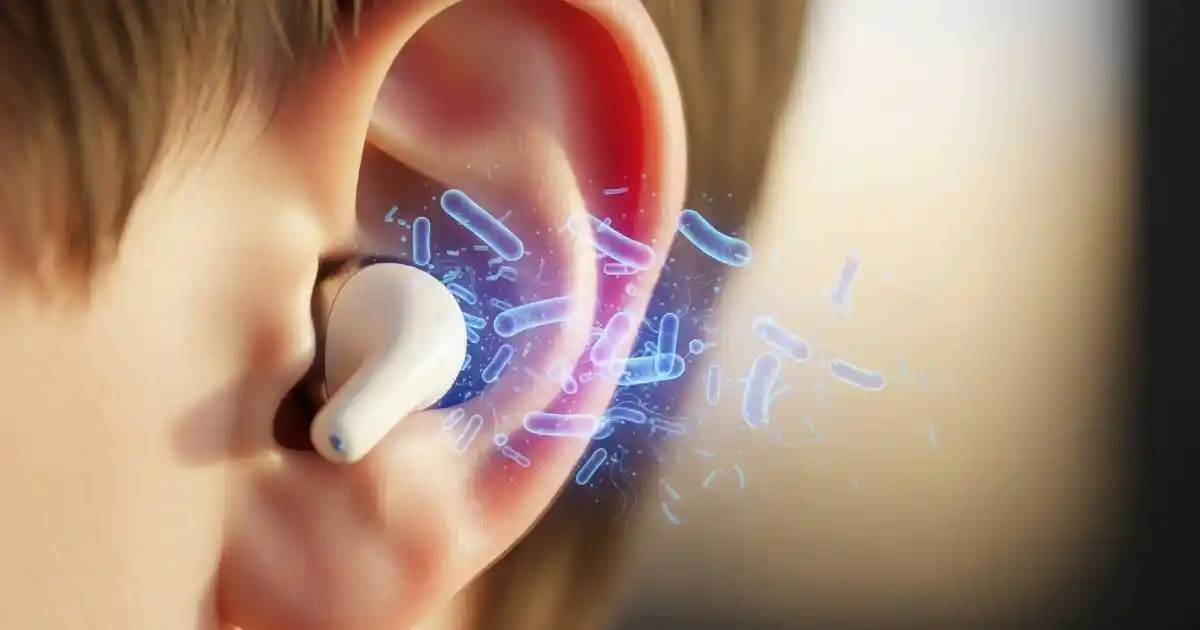
Yes. In-ear headphones, earbuds, or tightly fitting models can create a warm, moist environment inside the ear canal, perfect for bacteria to grow. Sharing headphones with others or wearing them while sleeping increases this risk.
Some modern earbuds include features like UV cleaning or moisture sensors, which reduce bacterial growth. However, no technology replaces regular cleaning and responsible use. Taking care of your ears and devices remains the most reliable method to prevent infections.
Common Causes of Ear Infections from Headphones
1. Poor Hygiene
Earbuds collect sweat, oil, and dirt from your hands and ears. When these bacteria-laden surfaces come into contact with the ear canal, infections can develop.
2. Moisture & Sweat
Wearing headphones immediately after a shower or during an intense workout traps moisture, which encourages bacterial and fungal growth.
3. Extended Use
Using headphones for several hours without breaks blocks airflow to the ear canal, making it more susceptible to irritation and infection.
4. Earbud Design
In-ear headphones that don’t fit properly can rub against the ear canal, causing tiny abrasions. These micro-injuries can serve as entry points for bacteria.
5. Over-Cleaning the Ears
While cleaning your ears is important, excessive cleaning can remove natural wax that protects against bacteria, leaving the ear more vulnerable to infections.
How to Recognize an Ear Infection
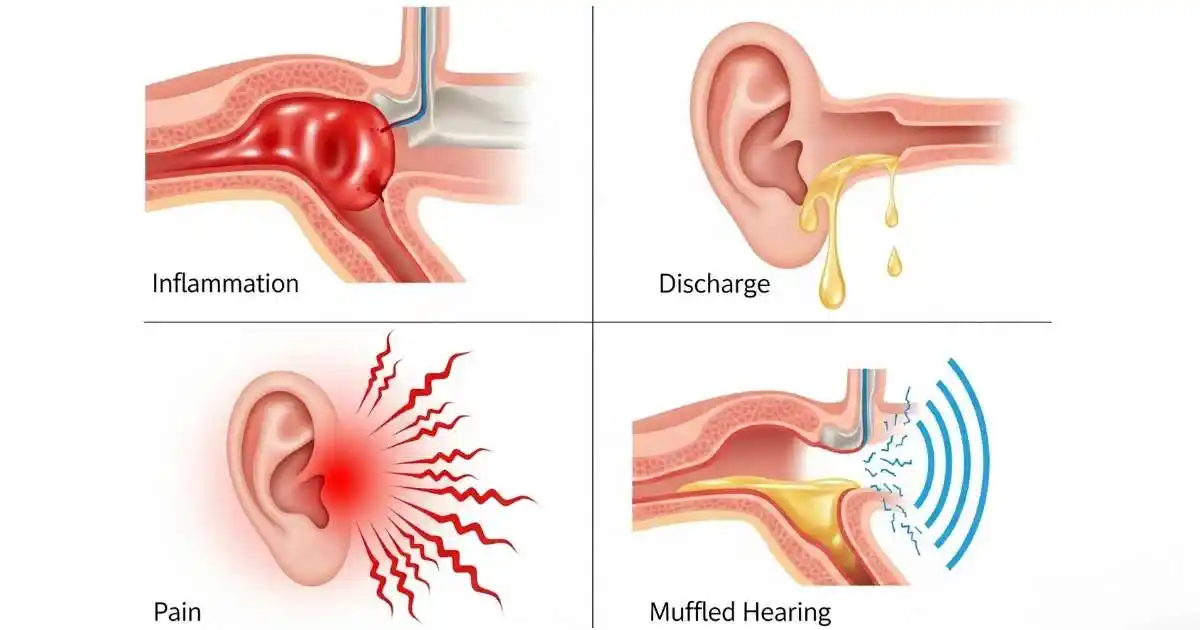
Being able to identify early signs of an infection is key to preventing serious complications. Common symptoms include:
- Redness or swelling inside the ear
- Itching or tenderness
- Fluid discharge (clear, yellow, or pus-like)
- Ear pain or pressure
- Reduced hearing or muffled sound
- Fever in severe cases
Headphones and Earwax Buildup
Frequent use of headphones, especially in-ear models, can push earwax deeper into the canal or block its natural flow. This buildup can cause discomfort, muffled sound, and increase the likelihood of infections. Over-ear headphones are generally safer as they do not obstruct the ear canal directly.
How to Clean Your Headphones Safely
Proper cleaning is essential to reduce bacterial growth and prevent infections:
Earbuds:
- Remove silicone tips and soak them in warm soapy water (avoid electronics).
- Use a soft brush or cotton swab to clean small grooves.
Over-ear Headphones:
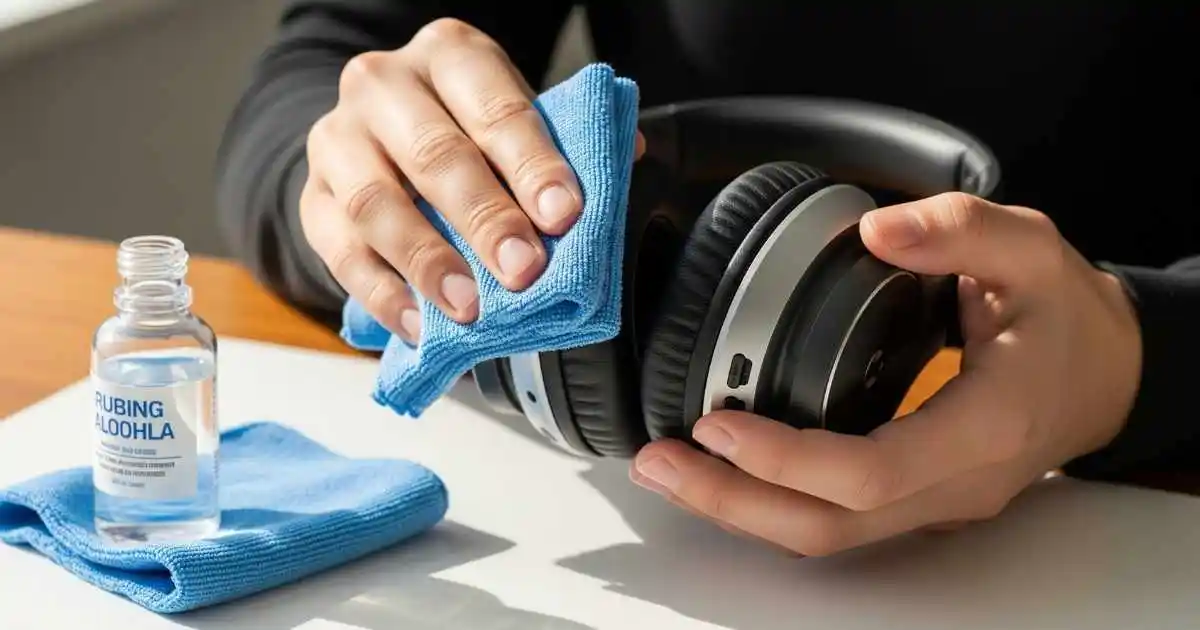
- Wipe ear cushions with alcohol-based wipes.
- Gently clean speaker mesh without applying excess moisture.
Extra Tips:
- Consider a UV sterilizer box weekly for deeper cleaning.
- Clean your ears safely using doctor-recommended methods or ear-cleaning drops.
- Make headphone cleaning a weekly habit, similar to brushing your teeth.
Practical Ways to Prevent Ear Infections
Taking care of your ears while using headphones is easier than you think. Here’s how to reduce the risk of infections and maintain healthy listening habits:
1. Clean your headphones regularly
Earbuds and over-ear headphones collect sweat, oils, and dust over time. Wiping them with alcohol-based or antibacterial wipes at least once a week prevents bacterial buildup. Don’t forget to clean silicone tips and ear cushions separately to avoid trapped germs.
2. Avoid sharing earbuds with others
Sharing earbuds may seem harmless, but it can transfer bacteria and viruses from one ear canal to another. If someone else wants to listen, use over-ear headphones or sanitize your earbuds thoroughly before and after use.
3. Don’t wear headphones with wet or sweaty ears
Moisture encourages bacterial and fungal growth. Avoid putting headphones on immediately after a shower or a workout. Allow your ears to dry completely before use to minimize infection risk.
4. Choose semi-open or breathable earbud designs
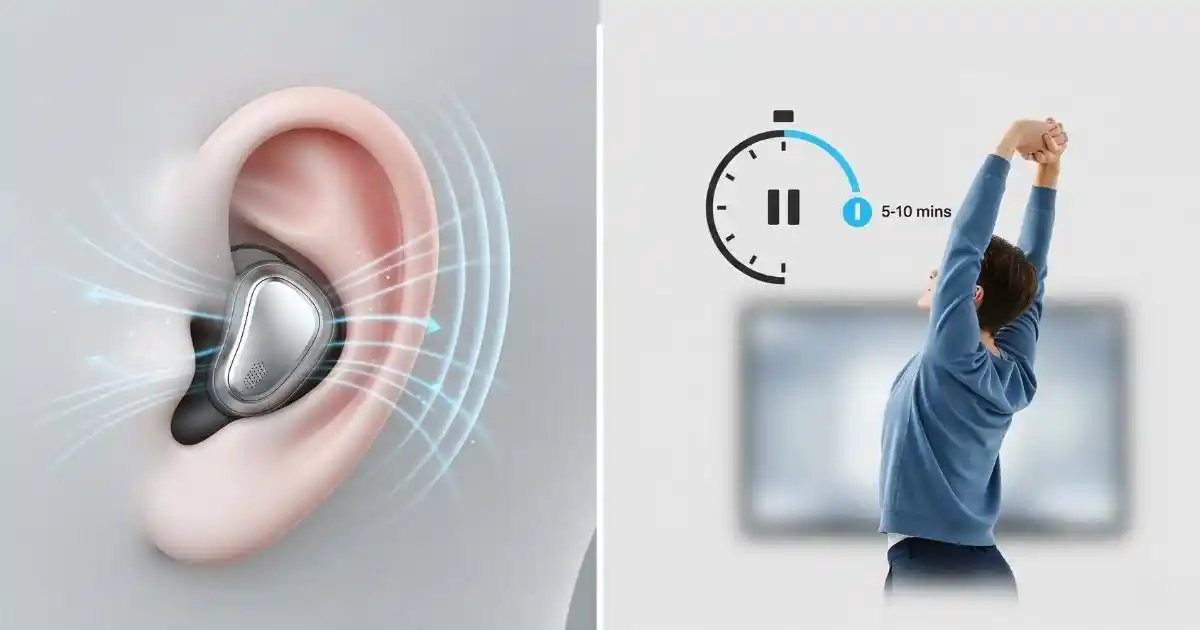
Earbuds that block airflow completely trap heat and moisture. Semi-open or ventilated designs allow better circulation, keeping the ear canal cooler and reducing the chances of irritation or infection.
5. Take breaks—limit continuous listening to about an hour
Extended listening creates a warm, enclosed environment, perfect for bacterial growth. Removing your headphones for a few minutes every hour improves airflow and reduces irritation.
6. Rotate between in-ear and over-ear headphones
Alternating between styles gives your ears a break from constant pressure and friction. Over-ear headphones are generally less invasive and allow the ear canal to breathe.
7. Never sleep with earbuds in
Sleeping with earbuds can trap sweat and moisture overnight, increasing infection risk. It can also cause small abrasions if you move around, which may worsen irritation.
8. Replace silicone tips every 2–3 months
Earbud tips wear down over time and can harbor bacteria. Replacing them regularly ensures better hygiene and comfort.
9. Use hypoallergenic or medical-grade ear tips if sensitive
People with sensitive skin or allergies should choose high-quality silicone or medical-grade tips to reduce irritation, redness, and the risk of infection.
10. Store headphones in clean, dry cases instead of pockets
Keeping your headphones in a dedicated case protects them from dust, dirt, and moisture. Pockets or bags can introduce germs and debris, which transfer directly to your ears when used.
By following these practical steps, you not only lower your risk of ear infections but also extend the lifespan of your headphones, ensuring a safer and more enjoyable listening experience.
When to See a Doctor
Some ear infections resolve with simple home care, but certain symptoms require professional attention:
- Persistent pain, redness, or swelling
- Discharge that doesn’t improve
- Fever or systemic symptoms
Over-the-counter ear drops may help minor infections, but never insert objects into your ear to remove wax or fluid, as this can worsen the problem. If you’re experiencing persistent pain or symptoms, consider booking a professional checkup through Mayo Clinic Appointments.
Recommended Earbuds for Sensitive Ears
For those prone to infections or with sensitive ears, consider:
- Earbuds with medical-grade silicone tips
- Models with UV cleaning cases
- Earbuds with built-in moisture sensors
- Semi-open or open-fit designs for better airflow
Choosing the right design can reduce irritation, improve comfort, and support long-term ear health.
Final Thoughts
Headphones are fantastic tools for entertainment, communication, and fitness, but responsible use is crucial. Regular cleaning, smart usage habits, and paying attention to your body’s signals can prevent infections and maintain ear health.
Enjoy your audio experience safely, and don’t hesitate to consult professionals if you notice persistent discomfort. Sharing hygiene tips or personal experiences in the comments can help the community learn and stay safe, too.
Leave a Reply